Know about an outage before your customers
A3.Observe checks websites, APIs, databases and queues, wakes the right person on call and keeps customers informed through the status page.
Free plan: 5 monitors, a status page and a team of up to three people.
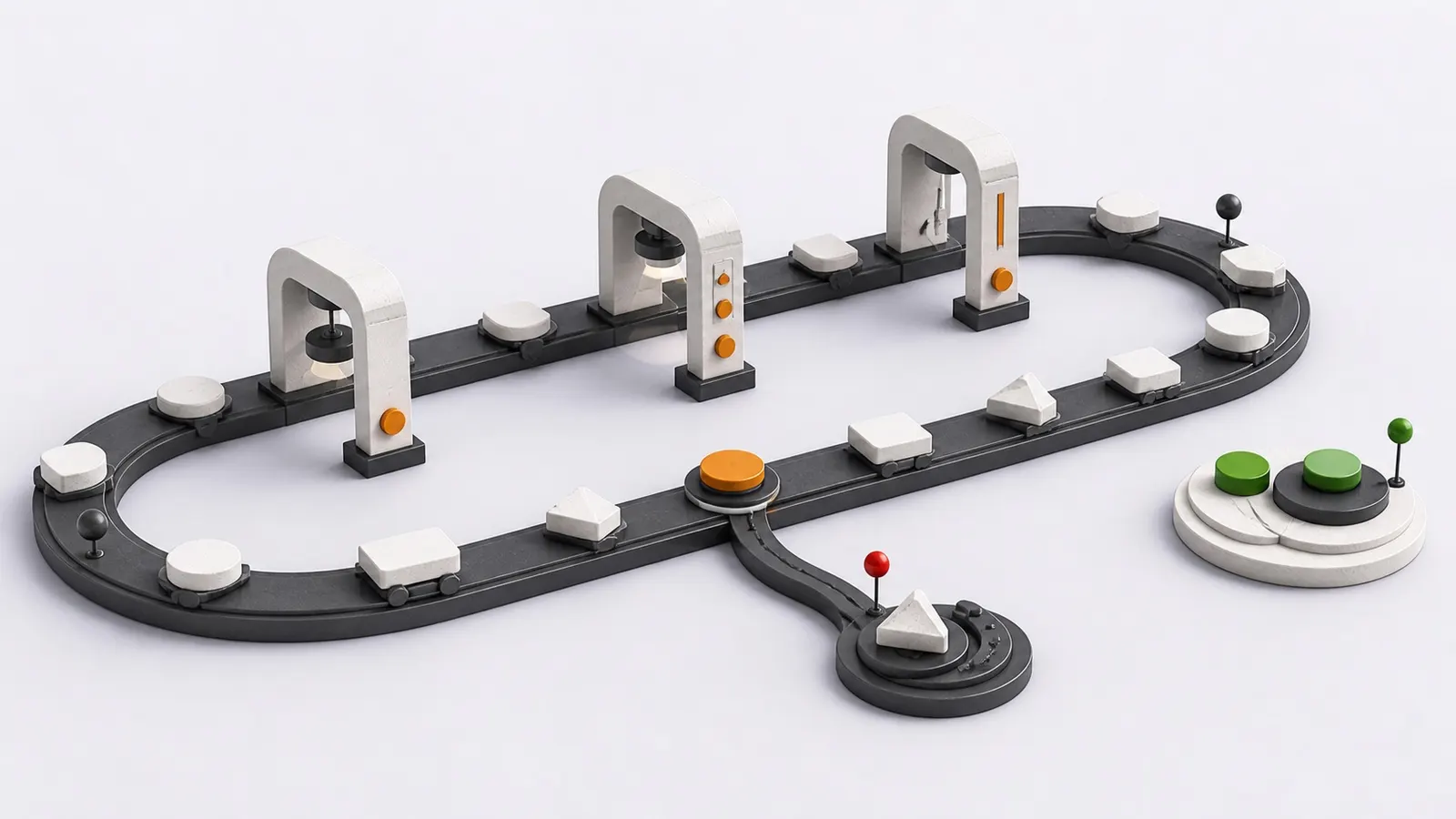
One product instead of scripts and chats
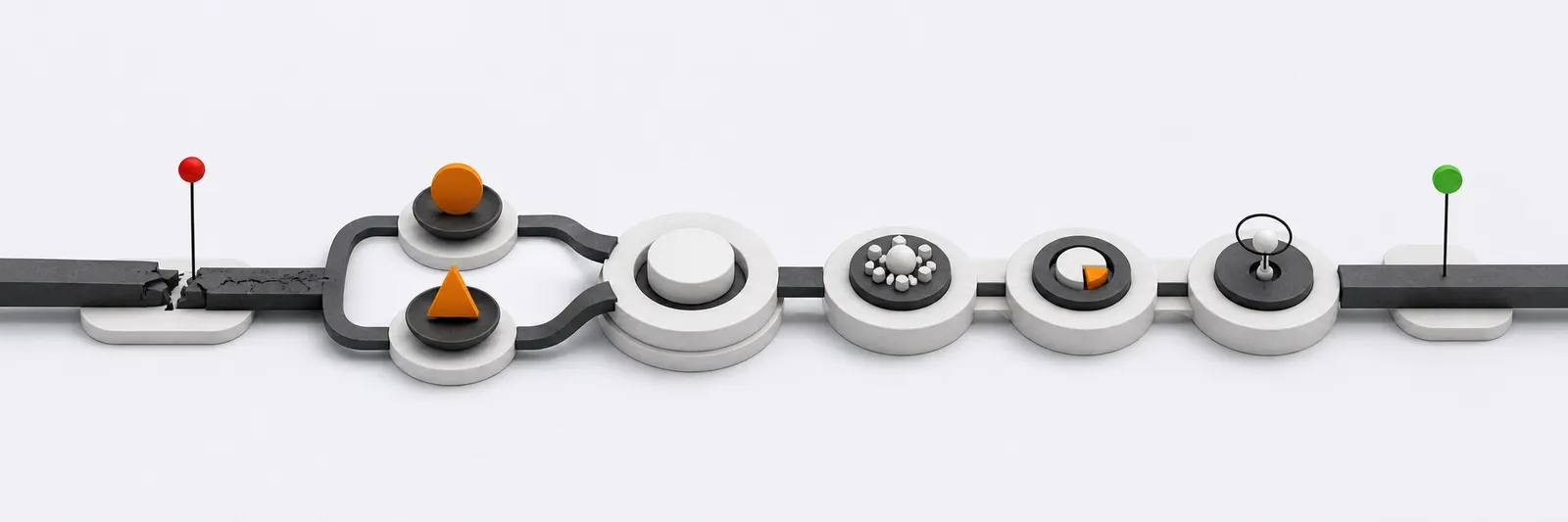
From the first signal to a calm customer
Each stage of an outage has its own tool, and all of them know your products and resources.
- 1
Detect
Checks run from several regions and from inside your network. A majority decision filters out network noise.
- 2
Understand
The alert points to the root cause, and each run keeps the expected and actual value, timings and region.
- 3
Reach on-call
On-call schedules and escalation bring the alert to a person via Telegram, Slack, SMS or email.
- 4
Inform customers
The incident publishes updates to the status page, and subscribers receive them automatically.
Check every layer of the service
A website can still respond while the database, queue or mail server is already down. A3.Observe checks every layer with one tool and shows a clear error code.
Web
Website availability, response and certificate, WebSocket connection.
- HTTP
- SSL
- WebSocket
API
Multi-step scenarios, SignalR hubs and the standard gRPC health check.
- API
- SignalR
- gRPC
Network
Open port and service response, ping and DNS records.
- TCP
- ICMP
- DNS
Browser
User steps in a real browser: click, type, wait for text.
- Browser
Background jobs
A signal from cron jobs and backups. No signal on time means an outage.
- Heartbeat
Mail
Sign-in and TLS of mail servers. No emails are sent.
- SMTP
- IMAP
- POP3
Brokers
Connection, topics, queues and consumers of message brokers.
- MQTT
- RabbitMQ
- Kafka
Databases
Sign-in and a read-only query with a result check.
- PostgreSQL
- MySQL
- MongoDB
- Redis
Files
Sign-in and presence of a file or directory, server key verification.
- FTP
- SFTP
Less noise, faster response
The capabilities that make teams move beyond simple uptime checks.
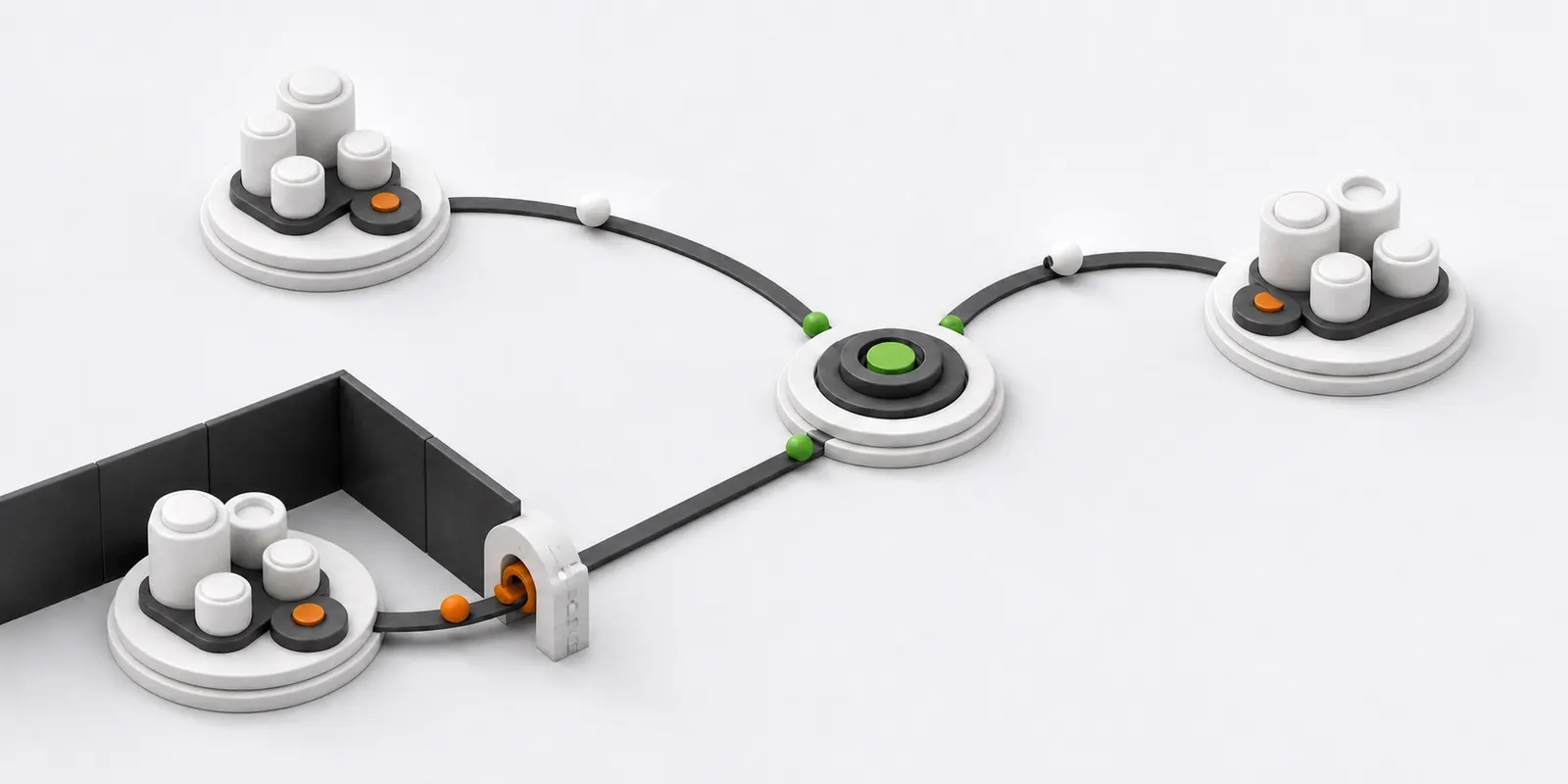
Internal services without open ports
A private agent checks databases, brokers and APIs inside your network using outbound connections only.
One outage, one alert
Resource dependencies suppress the flood of alerts from dependent services, so the person on call sees the root cause right away.
On-call and escalation
Rotations, overrides and an iCal calendar. If nobody acknowledges an alert, it moves on step by step.
Customer updates in a minute
The AI assistant drafts incident updates and postmortems and translates the status page.
A status page that takes load off support
Show customers selected products, current incidents and maintenance on your own domain. Subscribers get updates by email, webhook or RSS, and a status badge goes on your website with one line of code.
- Your own domain and branding
- 90 days of uptime history
- Subscriptions by email, webhook and RSS
- Several languages translated by the AI assistant
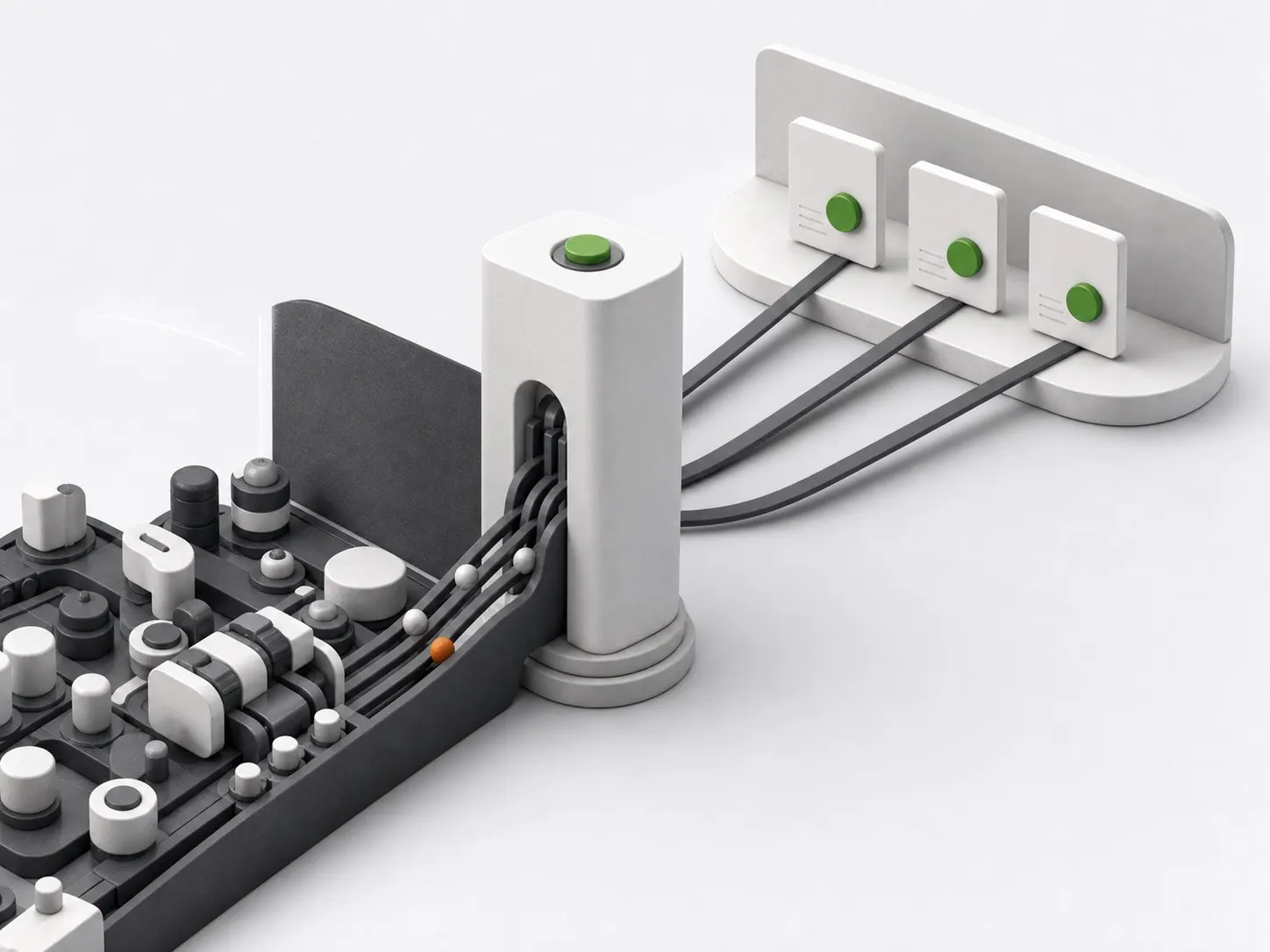
Why A3.Observe
We built the product for teams that answer to customers for their services, and tested every check type against real servers.
An honest state
A majority of regions decides, and dependent alerts are suppressed: you get alarmed only when the outage is real.
Safe checks
Protection against requests to internal addresses, encrypted secrets and read-only database queries.
Your languages and messengers
An interface in six languages, Telegram among the channels and status pages in your customers’ languages.
Part of the A3 ecosystem
One A3.ID account for sign-in and payment, company import and logos stored in A3.Drive.
Start free, grow without changing the model
The four plans differ in limits, not in how the product works: checks, status pages and the team work the same from day one.
Compare plans- Free5Monitors
- Starter25Monitors
- Pro150Monitors
- Business1,000Monitors
Works together with
Connect your first service in a few minutes
The setup wizard takes you from a product to the first notification: product, resource, monitor, channel and status page.